Publications » Position papers » EUROFER comments on the End of Life Vehicles Directive
EUROFER comments on the End of Life Vehicles Directive
Downloads and links
Recent updates
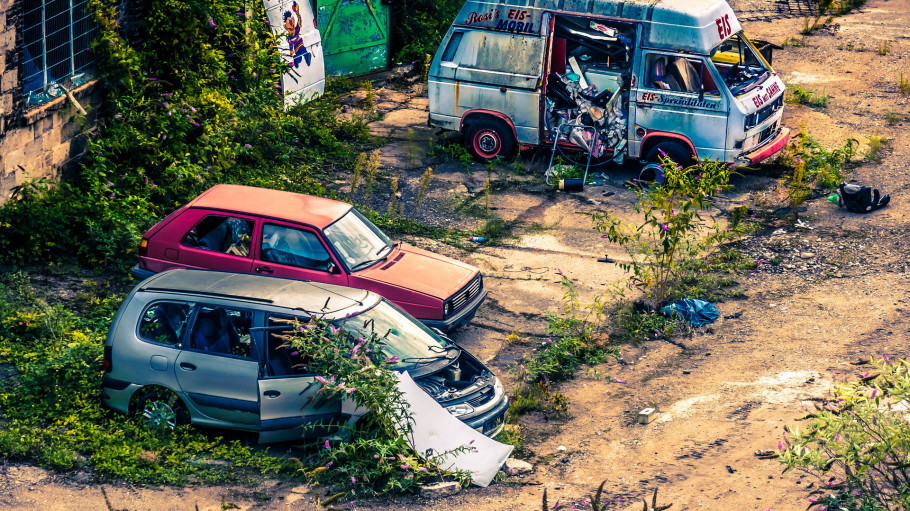
The European Directive on End Of Life Vehicles (ELV) has proven during the years to be a useful instrument for setting up a proper management system aimed at managing vehicles and their parts at their end of life stage.
However, technical and social developments imposed its updated to make it more appropriate for future challenges.
Nowadays, the priority is to have a functional management and treatment of the end of life vehicles and, in particular, of their parts and constituent materials. The priority is to go circular
and thus EUROFER welcomes the opportunity of contributing to the evaluation of the directive and giving his views for improving it. The present paper wants to present some general issues and/or comments linked to the actual use of and to aspects not sufficiently covered by the directive. Moreover, the paper will to highlight issues identified by the sector and how these could be solved in future.
Download this publication or visit associated links
Proposed credit would allow European carmakers to meet 3% of their CO₂ targets through low-carbon steel made in the EU rising to 7.5% from 2035.
Brussels, 21 October 2026 - The European steel industry welcomes a compromise reached in the European Parliament yesterday on CO₂ standards for cars and vans, which includes a dedicated incentive for carmakers to use low-carbon steel Made in the EU.
As EU steel production rises, helping preserve up to 80,000 jobs, the industry reports €3.4 billion in investment decisions, with a further €2.4 billion expected by year-end.
Brussels, 1 October 2026 - The European Steel Association (EUROFER) has elected Geert Van Poelvoorde, Chairman of the Board of ArcelorMittal Europe Steel, as its new President. Taking office today, Mr Van Poelvoorde said stronger home markets across the steel value chain, secure access to export markets and a strong industrial base will be essential to delivering on the European Union’s ambitions for global competitiveness and strategic autonomy.
The European Steel Association (EUROFER)
172 Avenue de Cortenbergh
1000 Brussels
Belgium
Email: mail@eurofer.eu
Phone: +32 (0) 2 738 79 20